Getting Started
How to Find a Pottery Class or Studio Near You
Looking for pottery classes for beginners? Here's how to find local studios, what to ask before signing up, and what to expect in your first session.
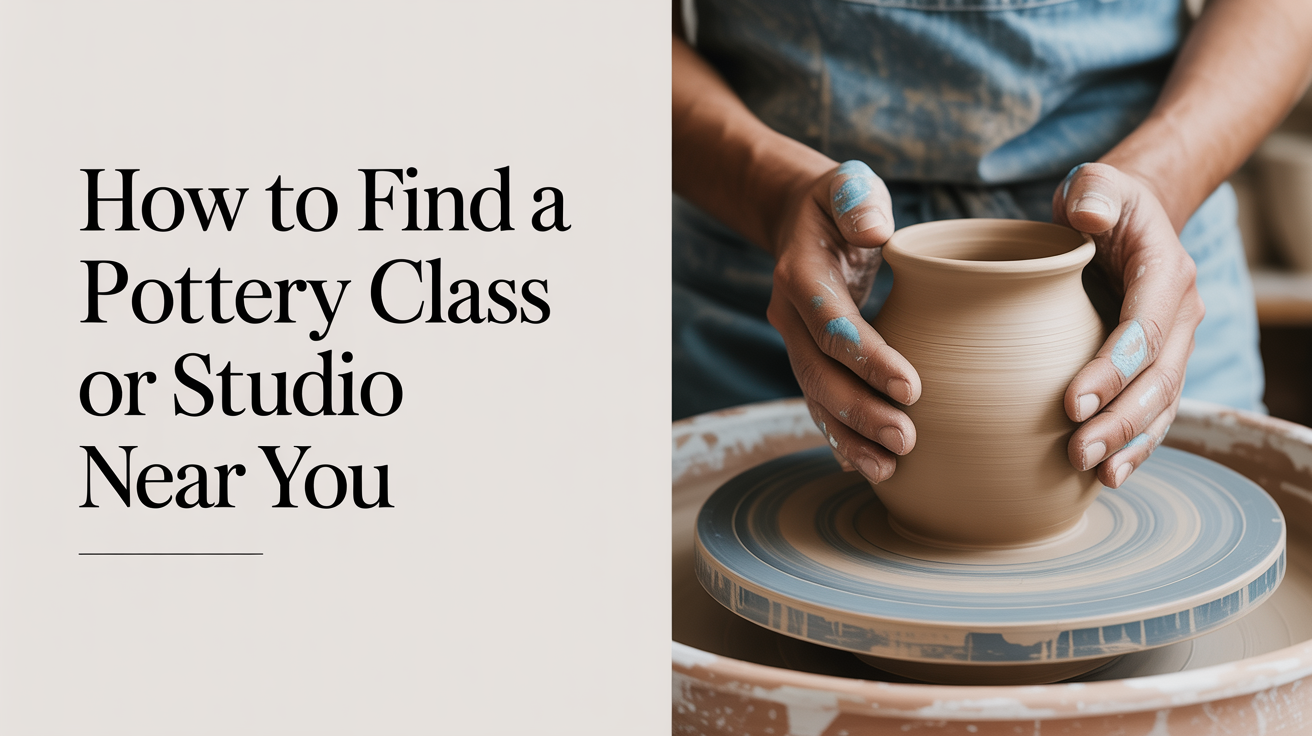
Good pottery instruction is closer than most people think. Community art centers, continuing education programs, and independent studios run beginner-friendly sessions year-round, and many cost far less than you'd expect. The trick is knowing where to look and what to ask once you've found a few options.
Where to Look for Pottery Classes
Community Art Centers and Ceramics Co-ops
Nonprofit art centers often offer the most affordable pottery classes for beginners, especially if you're willing to take a group course on weekday evenings. Search for "community ceramics studio" or "clay co-op" along with your city name. These spaces are typically run by working potters and ceramic artists who genuinely enjoy teaching, so the instruction tends to be hands-on and practical rather than purely theoretical.
Co-ops sometimes require a small membership fee on top of the class fee, but that membership often unlocks open-studio hours, which is time you can use the wheels and kilns independently. That's valuable if you want more practice than a once-a-week class provides.
Colleges and Continuing Education Programs
Many community colleges and universities run continuing education or extension programs that include ceramics courses open to the public, no enrollment required. These classes run on semester schedules, typically 8 to 12 weeks, and often include kiln access, clay, and glazes in the tuition. Check the community education or "lifelong learning" section of a college's website rather than the main academic catalog.
University ceramics departments sometimes open their facilities to adult learners in the evenings, which can mean access to well-maintained equipment at surprisingly reasonable rates.
Private Studios
Independent ceramic studios range from single-instructor home studios to larger multi-wheel facilities. They tend to have more scheduling flexibility than institutions and often run shorter intro courses, sometimes just four to six sessions, which is a low-commitment way to try throwing or hand-building before committing to a longer program.
Search Google Maps for "ceramics studio" or "pottery studio" near your location and read the reviews with an eye for comments about instructor patience and class size. A studio that consistently gets mentioned for small, attentive classes is worth prioritizing, especially as a beginner.
Parks and Recreation Departments
City and county parks departments frequently offer pottery through their adult education programs, and these are often the cheapest option around. Quality varies more than at dedicated studios, but many parks programs are run by experienced ceramic artists who moonlight as instructors. Check your city's parks and rec website under "adult classes" or "art classes."
Libraries and Maker Spaces
Some public libraries and maker spaces have acquired pottery wheels and small kilns in recent years. These are usually drop-in or short workshop formats rather than full courses, but they're worth knowing about if you want to try the craft before spending money on a multi-week class.
Social Media and Local Groups
Facebook Groups and Nextdoor often surface local ceramics communities that don't have much online visibility otherwise. Search for pottery-specific groups in your city. Instagram is useful too: searching a location tag alongside "ceramics" or "pottery studio" will often surface small studios that run occasional workshops.
Types of Classes and What They're Good For
Understanding the format before you sign up helps you choose a class that fits your goals.
| Class Type | Good For | What to Check |
|---|---|---|
| Intro to wheel throwing | Learning to center and pull on the wheel | Class size, how many wheels available per student |
| Hand-building (coil/slab) | Building without a wheel; great for sculptural work | Whether a wheel is even available if you want to try it |
| Combined intro (wheel + hand-building) | Broad overview of the craft | Pace of instruction; some cover too much ground quickly |
| Open studio / membership | Practice time after completing a course | Kiln firing schedule, clay storage policy, hourly or monthly rate |
| Single-day workshop | One technique, fast introduction | Whether the piece gets fired; some workshops don't include firing |
If you've never touched clay before, an intro wheel-throwing course is a solid starting point. Pottery for absolute beginners covers what to realistically expect in those first sessions. If you're unsure about the wheel entirely, hand-building versus throwing breaks down the difference so you can decide which direction suits you.
Questions to Ask Before You Sign Up
Not every studio is forthcoming about what's included in the class fee, and the details matter. Here's a list to run through before you pay:
- Is clay included, or do you purchase it separately?
- Are glazes provided, or is there a separate glazing fee?
- Is kiln firing included in the tuition, or is there a per-piece firing charge?
- How many students are in a typical class?
- How many wheels are available per session?
- Is there open-studio time available between classes for additional practice?
- What happens if you miss a class: makeup sessions, credit, or nothing?
- Is there a minimum skill level required, or is it genuinely open to beginners?
- What clay body does the studio use (earthenware, stoneware, porcelain)?
- Are finished pieces available for pickup, or does the studio mail or store them?
Firing and clay costs are the two that catch people off guard most often. A class listed at $200 can become $280 once you factor in a bag of stoneware and two rounds of kiln firing. Ask specifically, not generally.
What to Expect to Pay
Beginner pottery classes for beginners vary considerably by format and location, but here are rough ranges to anchor expectations:
A typical six-to-eight week group course at a community art center or private studio runs between $150 and $350 in most mid-sized U.S. cities, sometimes with clay and firing included, sometimes not. University continuing education courses are often in the $200 to $400 range for a full semester but usually include materials.
Single-day workshops tend to run $60 to $120, which usually covers the clay and one firing, though this varies.
Studio memberships, which give you open-studio access after completing a qualifying course, typically run $80 to $180 per month depending on how many hours per week you want access. Some studios price by the hour instead. If you're serious about practicing regularly, a membership is often more economical than paying for courses back-to-back.
If you eventually want to work from home, the equipment costs are a separate conversation. Setting up a small home pottery studio covers what gear is actually necessary and what you can skip early on.
Studio Etiquette for Beginners
Most ceramics studios are communal spaces with shared equipment and a pace that rewards patience. A few things that will make you a good studio citizen from day one:
Clean your wheel thoroughly after each session. Clay dries fast and makes the splash pan difficult to clean for whoever comes next. Most studios have a designated slop bucket for clay water; use it rather than rinsing clay down the sink, since clay particles clog drains over time.
Label your work. Pieces look similar when they're bone-dry and covered in kiln dust. Most studios provide label stickers or a dedicated shelf system; follow whatever method your instructor recommends.
Don't touch other people's work. Wet clay and leather-hard pieces are fragile in ways that aren't always visible, and an accidental nudge can collapse hours of work.
Ask before using tools you didn't bring. Ribs, loop tools, and wire tools are often personal; some potters are particular about them. If the studio has a shared tool kit, that's the one to use.
Arrive on time and plan for cleanup. Most instructors build ten to fifteen minutes of cleanup into the class schedule, but showing up late compresses your actual working time, not theirs.
Frequently Asked Questions
Do I need any experience to take a beginner pottery class?
No. True beginner classes assume no prior experience. You won't need to know terminology, have any hand-building background, or have touched clay before. If a studio lists a class as "beginner," it should mean genuinely beginner.
How long does a typical intro pottery course last?
Most intro courses run six to eight weeks, with one session per week lasting two to three hours. Some studios offer intensive four-week formats or single-day workshops if you want a faster introduction.
Is wheel throwing or hand-building better for absolute beginners?
Neither is objectively easier. Wheel throwing has a steeper early learning curve (centering clay takes most people several sessions to feel comfortable), while hand-building is more immediately intuitive. If you're unsure, look for a combined intro course that covers both, so you can decide which direction you want to pursue.
What should I wear to a pottery class?
Clothes you don't mind getting clay on. Clay stains fabric, and it's nearly impossible to avoid entirely, especially when you're learning. Avoid dangling sleeves or jewelry that could catch on the wheel head. Closed-toe shoes are practical since clay drops.
Can I take my finished pieces home right away?
No. Pottery goes through multiple stages after you shape it: drying (which can take days to a week or more depending on humidity), bisque firing in the kiln, glazing, and a glaze firing. The full process from wet clay to finished piece typically takes two to four weeks. Most studios notify students by email when work is ready for pickup.