Firing & Kilns
What to Do If You Don't Have a Kiln
Want to know how to fire pottery without a kiln? Rent studio space, pay a firing service, or join a class. Plus honest notes on low-tech alternatives.
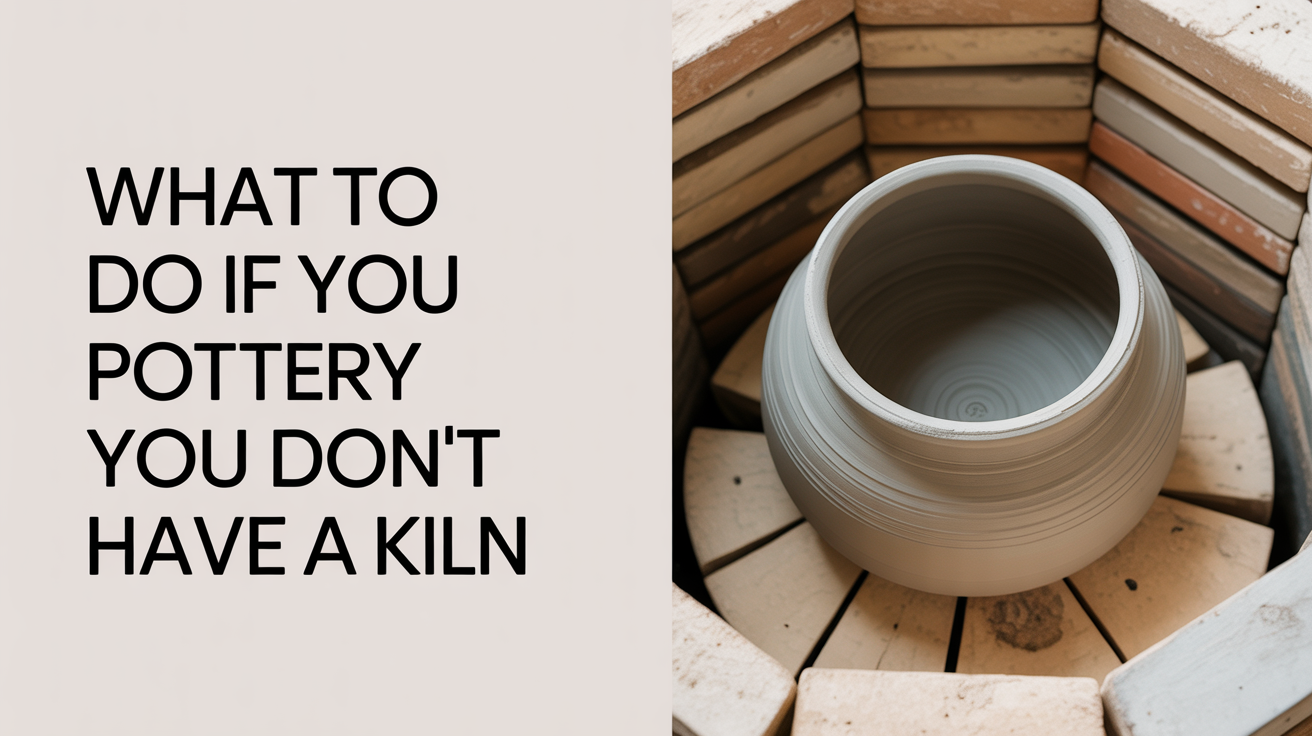
Not owning a kiln is a completely normal starting point, and it doesn't have to stop you. The most practical answers for how to fire pottery without a kiln are community studios that rent kiln time and local potters or firing services that will fire your work for a per-piece fee. Low-tech methods like pit firing and raku also exist, though they come with real limitations worth understanding before you commit to them.
Renting Kiln Space at a Community Studio
Community ceramics studios are the closest thing to a home kiln for most beginners. You pay a monthly or drop-in membership fee, use the studio's equipment, and fire your work in their kiln on their schedule.
What to Expect
Most studios run kilns on a set cycle, often once or twice a week. You load your piece into a shared kiln shelf, tag it, and pick it up after the firing is complete. Bisque and glaze firings are usually separate cycles, which means your timeline from raw clay to finished piece spans a few weeks. That pacing is actually useful for beginners: it gives you time to catch problems before glaze goes on.
Costs vary a lot by city. A monthly open-studio membership might run $50 to $150 and cover unlimited firings, or you might pay a per-piece rate based on the piece's volume. Ask when you visit, and ask whether the fee covers both bisque and glaze cycles or just one.
Finding a Studio Near You
Search for "ceramic arts center," "pottery studio membership," or "community kiln" in your city. Art centers, university continuing-education programs, and some community colleges often have open-studio time at lower rates than private studios. A single visit to see the setup before committing is time well spent.
Paying a Studio to Fire Your Work
Some potters prefer to work at home and only need the kiln itself. A number of studios and independent potters offer firing-only services: you bring your piece, they fire it, you pick it up. This is sometimes called a "bisque and glaze firing service" or simply "kiln rental by the piece."
How to Prepare Your Work for Transport
This step matters more than people expect. Greenware (unfired clay) is fragile and, if it isn't fully dry, can explode in the kiln as steam forces its way out. Before transporting your work:
- Let pieces dry completely, ideally for several days after they feel dry to the touch. Thicker walls take longer.
- Wrap pieces individually in newspaper or bubble wrap, keeping them upright if possible.
- Use a sturdy box with padding on all sides; pieces shift during transport and a single bump can crack a rim.
- Ask the studio whether they want pieces bone-dry or leather-hard, and follow their preference.
Understanding what happens during bisque firing vs. glaze firing helps you communicate clearly with a firing service about which stage your piece is at and what it needs.
What to Ask Before Dropping Work Off
Confirm turnaround time, pricing structure (per piece, per cubic inch, or per shelf space), and whether they accept work made from any clay body or only specific types. Some studios only fire clay they sell because mismatched clay bodies can contaminate shared kiln shelves.
Pottery Classes That Include Firing
Taking a class is often the most efficient route for beginners. You get instruction, access to equipment, and firing included in the course fee. There's no separate logistics problem to solve.
Many six- to eight-week beginner courses include two firings per project as part of the curriculum. You make your pieces during class sessions, the instructor handles kiln loading, and you leave the course with finished, glazed work. Some studios offer single-session workshops that cover hand-building and send your piece through a firing for you to pick up later.
The main trade-off is scheduling: class firings happen when the class dictates, not when you're ready. If you're trying to develop a faster rhythm or test a lot of pieces quickly, a class structure can feel slow. But for learning the basics, having someone else manage the firing is a genuine advantage.
Low-Tech Firing Methods: Pit Firing and Raku
These methods are real, historically significant, and still used by working potters. They don't require an electric or gas kiln. But they have limits that matter a lot for beginners.
Pit Firing
Pit firing involves burying your piece in a pit or trench with combustible material (wood, sawdust, dried manure) and burning it over many hours. Temperatures typically reach 1000 to 1800 degrees Fahrenheit, which is lower than the cone ranges used in most studio work. The results are unpredictable in the best way: smoke, minerals, and organic material leave beautiful surface marks.
What pit-fired work is not: functional in the way a stoneware mug is. The clay isn't vitrified at those temperatures, so the finished piece remains porous and fragile. It won't hold water reliably, and it isn't food-safe. Pit firing is a surface treatment technique and an artistic approach, not a substitute for kiln firing if you want durable, watertight pieces.
You also need outdoor space, local fire regulations on your side, and a reasonable distance from anything flammable. Check local ordinances before digging.
Raku
Raku firing is faster and more dramatic: pieces are removed from a hot kiln while glowing, then placed in a container with combustible material to create reduction effects. The rapid temperature change produces distinctive metallic and matte surface effects that can't be replicated any other way.
Raku almost always requires a kiln (usually a small propane-fueled one), though the kilns themselves are simpler and less expensive than a standard electric studio kiln. Many community studios offer raku workshops as a special event. The process involves open flame and very hot ceramics handled with tongs, so proper safety gear (gloves rated for high heat, eye protection, natural-fiber clothing) is non-negotiable.
Like pit-fired work, raku pieces are typically decorative rather than functional. The clay body often remains porous after firing.
If you want to understand what's actually happening inside a kiln during any of these processes, the guide on how a pottery kiln works covers the mechanics clearly.
What About a Kitchen Oven?
A household oven tops out around 500 to 550 degrees Fahrenheit. Real pottery clay requires temperatures between roughly 1800 and 2400 degrees Fahrenheit to fuse properly. A kitchen oven cannot fire pottery. It can dry clay faster (with risks of cracking), but it will not produce a fired, durable ceramic piece. This is a common question with a firm answer.
Air-Dry Clay: A No-Fire Alternative With Real Limits
Air-dry clay is worth knowing about, though it occupies a different category than fired ceramics. It hardens as moisture evaporates, requires no kiln, and is available at most craft stores. For decorative objects, sculptures, and learning hand-building techniques, it's genuinely useful.
The limits are significant:
- Air-dry clay is not waterproof. Even sealed, it can soften or crack if submerged or left in sustained moisture.
- It is not food-safe, and it isn't appropriate for mugs, bowls, or plates meant for actual use.
- It's more fragile than fired stoneware or earthenware and can chip or crack with handling over time.
For someone who wants to practice building forms, experiment with sculpture, or make decorative objects without any firing infrastructure, air-dry clay removes a real barrier. Just go in with accurate expectations about what the finished piece will and won't do.
Comparing Your Options at a Glance
| Option | Typical Cost | Effort | Result Quality |
|---|---|---|---|
| Community studio membership | $50 to $150/month | Moderate (scheduling, transport) | Full fired ceramic, glaze options |
| Pay-per-piece firing service | $5 to $20+ per piece | Low (drop off and pick up) | Full fired ceramic |
| Pottery class with firing | $150 to $300/course | Low (instructor handles kiln) | Full fired ceramic, guided |
| Pit firing | Low (supplies) | High (setup, outdoor space, time) | Decorative, porous, unpredictable surface |
| Raku workshop | $50 to $100/session | Moderate (safety gear, outdoor) | Decorative, distinctive surface effects |
| Air-dry clay | $5 to $15/package | Very low | Decorative only, not food-safe |
Getting your clay properly dry before any of these options matters for the outcome. Cracks and explosions in the kiln are almost always a drying problem. The guide on how to dry pottery before firing covers the specifics.
Frequently Asked Questions
Can I fire pottery in my home oven or microwave?
No. Home ovens and microwaves don't reach the temperatures needed to fire clay. A standard oven peaks around 500 degrees Fahrenheit; pottery clay needs roughly 1800 to 2400 degrees to become ceramic. Attempts to "fire" clay in a home oven will leave you with a dried clay piece, not a fired one.
How much does it cost to have pottery fired at a studio?
Per-piece rates vary widely depending on location and piece size. Small items might cost $5 to $10 per firing cycle; larger or more complex pieces can run $15 to $25 or more. Many studios structure pricing by volume (how much shelf space the piece occupies) rather than flat rate. Some include firing in a monthly membership fee. Always ask before dropping work off.
Do I need to do bisque and glaze firing separately?
For most clay bodies and glazes, yes. Bisque firing burns off organic material and makes the piece sturdy enough to handle during glazing. Glaze firing then melts the glaze onto the surface. Skipping the bisque can work with single-fire techniques, but it's more advanced and requires specific clay and glaze combinations. When you're starting out, treat them as two separate steps.
Is pit-fired pottery safe to eat or drink from?
No. Pit firing doesn't reach temperatures high enough to vitrify the clay or mature a food-safe glaze. The resulting piece remains porous and can harbor bacteria. Pit-fired work is best treated as decorative.
What clay should I use if I'm going to have it fired at a community studio?
Ask the studio first. Many studios require you to use clay they sell or approve, because different clay bodies fire at different temperatures and can cause problems in a shared kiln. Earthenware, stoneware, and porcelain all have different firing requirements. When in doubt, buy clay from the studio you're planning to use.